Key Best Practices for Effective External Digital Display Deployment
Wiki Article
Open-Air networked visual screens has increasingly emerged as a widely used information medium used by organizations, civic groups, along with associations aiming for maximum public visibility with live visual messaging. As opposed to interior screens, open-air networked signage solutions must function dependably in variable weather-related conditions while continuing to maintaining clear on-screen performance. Every effective installation is based upon preparation, engineering precision, along with a solid knowledge of site-specific physical requirements. Factors such as positioning review, weather-related conditions, plus system preparedness collectively shape outcomes. Addressing these key elements in advance serves to limit upkeep problems while supports ongoing performance durability.
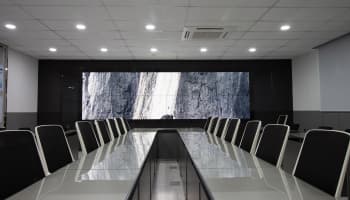
A primary elements in exterior smart display implementation continues to be location analysis as well as audience visibility. Effective positioning of the signage unit needs to coordinate to foot traffic, traffic driver visibility, plus typical viewing spacing. Panel scale, image resolution, plus nits level specifications need to match the area to ensure content stays easy to read across intense sunlight as well as dim environments. Surface reflection mitigation, observer perspectives, as well as near architecture additionally affect viewer attention. Effective location planning enables strong communication distribution while also supporting conformity with applicable local development along with outdoor signage requirements.
Weather-related safeguarding remains a further essential consideration related to exterior networked visual system solutions. Screens must be housed within weather-resistant cabinets look at here engineered specifically to endure rain, airborne dust, humidity, plus temperature extremes. Correct environmental sealing specifications, air circulation systems, and heat control components are designed to avoid thermal stress along with internal component degradation. Mounting strength remains also essential, since support fixtures should handle environmental stress along with structural movement over extended timeframes. These combined safeguarding strategies maximize hardware useful life while reduce the operational downtime.
Energy plus network systems serve a function in dependable smart signage system output. External installations demand safe power distribution, grounding systems, as well as power surge mitigation to help guard from electrical fluctuations. Communication click to read more network availability, either via hardwired or radio-based links, must support stable data delivery for message refreshes along with software monitoring. Cable placement along with conduit placement placement should meet technical best practices to safeguard from environmental degradation along with climatic exposure. Strong infrastructure engineering maintains consistent media distribution while also streamlined network operation.
Content strategy as well as support programs complete a outdoor smart advertising implementation. Messages must remain clearly structured to support immediate interpretation, with the use of proper text scales, contrast ratios, along with dynamic management suited to public viewing. Scheduled service plans, covering platform patches, hardware reviews, along with preventive care, work to preserve display quality while also network stability. Performance monitoring tools are able to recognize issues quickly as well as allow for proactive maintenance. When both technical execution implementation plus message planning align, open-air digital display functions as a long-term and also reliable communication system.