Elevating Cooperation and Participation through Seamless Telepresence Platforms in Conference Rooms
Wiki Article
Virtual presence platforms have changed the way businesses hold discussions and collaborative sessions. Contemporary solutions enable participants to communicate efficiently across multiple sites, bridging spatial barriers that historically restricted collaboration. Advanced audio and visual systems guarantees that conversations are not only heard but also visually displayed, which assists teams maintain concentration and participation. Through integrating these platforms into meeting spaces, organizations can mimic face-to-face interactions, allowing remote collaboration more effective. Moreover, systems often include capabilities such as content sharing, mark-up, and virtual whiteboards, which enhance the capability to develop joint initiatives in real-time.
The design of a discussion area plays a important part in the success of virtual platforms. Optimal lighting, audio design, and layout of seats add to a more engaging digital meeting. For example, uniform lighting minimizes shadows and clarifies video quality, while acoustic treatments limit echoing and interference, enhancing voice transmission. user-friendly seats and well-organized layouts allow team members to stay focused during longer sessions. These environmental considerations, paired with high-quality telepresence equipment, build a setting that supports active participation and consistent engagement.
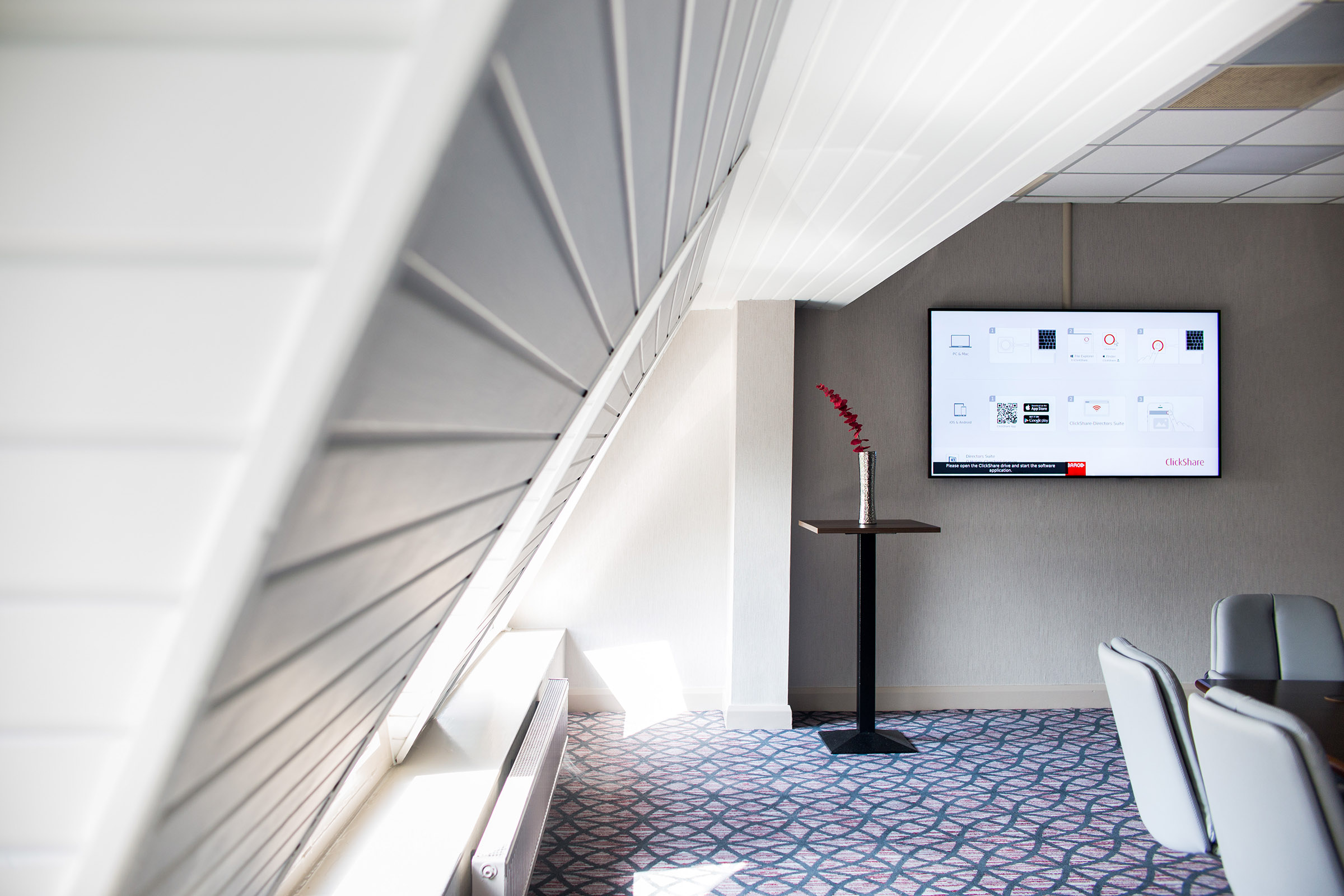
User-friendly telepresence platforms depend on easy-to-use features and clear operation. When participants can quickly control meetings, change Full Report display settings, or exchange documents without issues, discussions advance more efficiently. Training and guidance are important, as even the most modern platforms will underperform if attendees are unfamiliar about their function. Organizations often develop guidelines for remote discussions, defining optimal procedures for initiating calls, presenting materials, and promoting participation from all attendees. These guidelines ensure active participation and reduce interruptions during group discussions.
Connection with other collaboration tools improves remote platforms in conference rooms. For example, linking solutions with project management software, cloud storage, or communication applications allows teams to get information and synchronize data instantly. Team tools like cooperative boards, instant surveys, and chat functions promote full participation, guaranteeing that offsite and on-site attendees participate fully in meetings. These connections improve productivity, limit duplication, and keep teams synchronized among team members, regardless of their site.
Finally, businesses that invest in high-quality telepresence solutions obtain measurable improvements in both cooperation and engagement. Staff report greater contentment, accelerated problem-solving, and better project outcomes when connection is seamless and participatory. By combining modern systems, thoughtful conference room design, user-friendly operation, and strategic next page integrations, organizations build an space where attendees feel connected, aware, and motivated to contribute. Eventually, these improvements produce stronger team cohesion, better problem-solving, and a more productive organizational culture generally.